The Historical Significance of Ujjain: From Vikramaditya to Today
To stand on the banks of the Shipra river in Ujjain is to stand on one of the oldest continuously inhabited spaces in human civilisation. This city has been a capital, a centre of learning, a cradle of astronomy, and a doorway to moksha for over four thousand years. Few cities in the world hold this many threads of human history at once.
This piece is for our guests who, having seen the temples, want to understand why this city matters. We have written it with reverence and care.
Avantika — The Original Name
Long before Ujjain became Ujjain, the city was known as Avantika — the capital of the Avanti kingdom, one of the sixteen Mahajanapadas of ancient India during the 6th century BCE. The Buddha himself is recorded to have visited; Mahavira's teachings reached here too. The city was already old when these visitors arrived.
One of the Seven Moksh Puris
Hindu tradition recognises seven cities — the Saptapuri — that grant moksha (liberation) to those who die within them: Ayodhya, Mathura, Maya (Haridwar), Kashi (Varanasi), Kanchi, Avantika (Ujjain), and Dwarka. Ujjain's place in this list is not symbolic; it reflects centuries of accumulated spiritual practice. Every blade of grass here has been walked upon by someone in prayer.
To die in Avantika is to be released from the wheel of birth and rebirth. To live there, even briefly, is to feel the wheel slow.
The Vikramaditya Era — A Golden Age
The most legendary chapter in Ujjain's history belongs to Emperor Vikramaditya, who ruled around the 1st century BCE (the historical Vikramaditya — there were several rulers by this name). His court hosted the Navaratnas — the nine jewels — including:
- Kalidasa — Sanskrit's greatest poet and dramatist, author of Meghaduta and Shakuntala
- Varahamihira — astronomer and mathematician whose works on celestial movement remain studied today
- Dhanvantari — the physician of the Ayurvedic tradition
- Amarasimha — Sanskrit lexicographer who compiled the Amarakosha
- And five others, each a master in their domain
The Vikram Samvat calendar — still used across northern India — begins from Vikramaditya's coronation in 57 BCE. When you read a Hindu wedding invitation today, the year mentioned is from a calendar Ujjain gave the world.
Ujjain & the Stars
Ujjain has been an astronomical centre since at least the 4th century CE. Ancient Indian cartography placed the prime meridian through Ujjain — what Greenwich is to Britain, Ujjain was to India. The Tropic of Cancer passes through Ujjain, making it one of only three places on Earth where the sun's noon position can be observed precisely.
In the 18th century, Maharaja Jai Singh II of Jaipur built five astronomical observatories across India — one of them is right here in Ujjain. The instruments still work today; school children visit to see the same sky that fascinated India's astronomers two thousand years ago.
The Mahakaleshwar Story
Of the twelve Jyotirlingas — the most sacred Shiva shrines — Mahakaleshwar is the only one that is swayambhu (self-manifested) and the only one that faces south, the direction of Yama, the lord of death. The temple's antiquity is mentioned in the Skanda Purana, the Mahabharata, and several ancient sources.
The current temple structure has been rebuilt several times — most significantly by Marathas in the 18th century after earlier structures were damaged. But the lingam itself, devotees and historians agree, has rested in this same sanctum for time beyond memory.
The Simhastha Kumbh Mela
Every twelve years, when Jupiter (Brihaspati) enters the zodiac sign Leo (Simha), the Simhastha Kumbh Mela takes place in Ujjain — one of the four sacred Kumbh sites alongside Haridwar, Prayagraj, and Nashik. The next Simhastha is in 2028 (27 March – 27 May), expected to draw 140 million pilgrims. The previous Simhastha in 2016 drew over 75 million.
For families planning to attend the 2028 Simhastha, advance accommodation booking begins roughly 12 months prior. We are already in conversations with families who want to be here for it. If your family is among them, please reach out — early-bird booking opens in late 2027.
Why Ujjain Still Matters
Many ancient cities exist as ruins or museums. Ujjain is different. It is alive. The temples are working temples. The river is a working river. The astronomical observatory still measures shadows. The Mahakaleshwar Bhasma Aarti happens at 4 AM every single morning, as it has for centuries beyond record.
To bring a family to Ujjain is not just to take them sightseeing. It is to introduce them to a city that is older than most of human civilisation, and yet is still doing, still living, still worshipping. There is something deeply settling about being in such a place — even if only for a weekend.
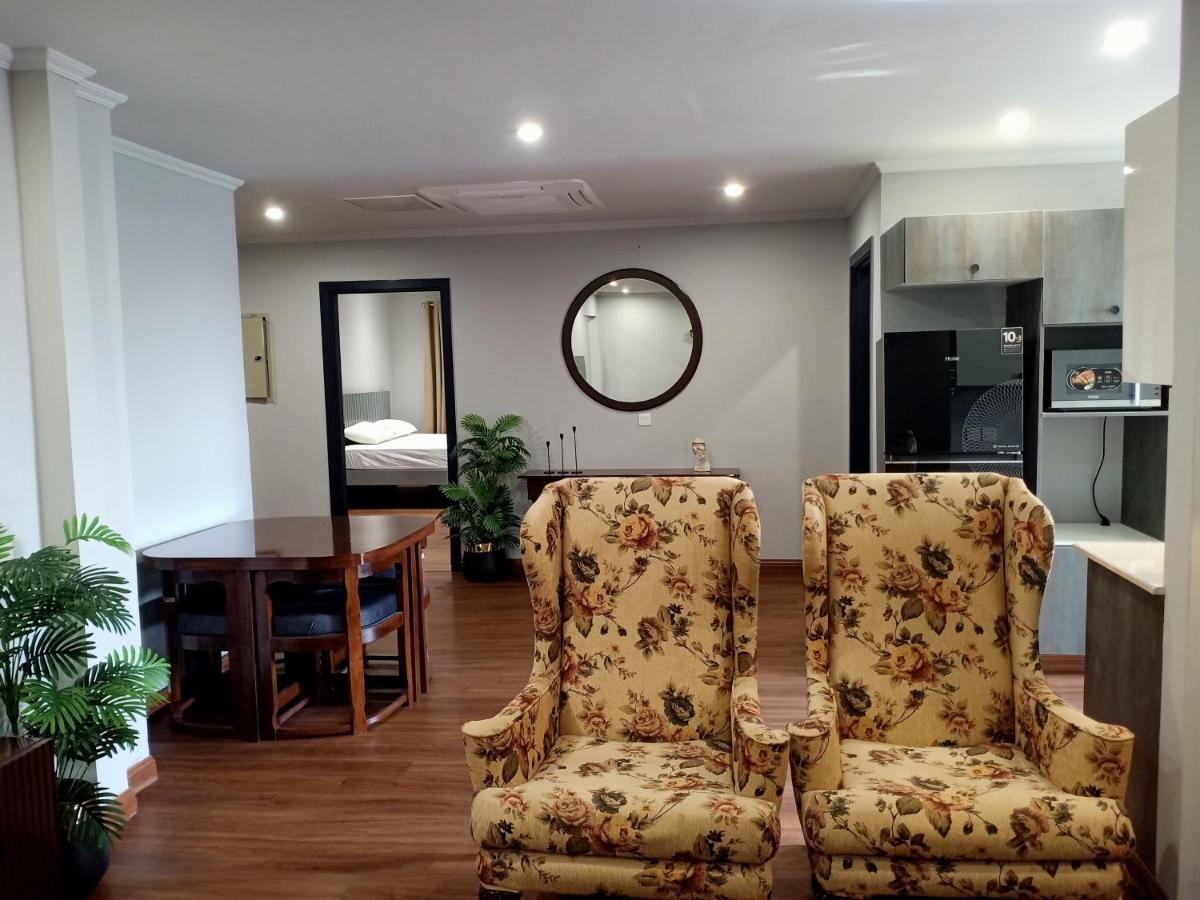
This is why we built AP Villas in Ujjain. We did not want to be in the hospitality business. We wanted to be the place where pilgrim families come back from their darshan and feel held. Ujjain has been holding visitors for four thousand years. We try, in our own small way, to do the same.
— With reverence, Apoorv & The AP Villas Family